
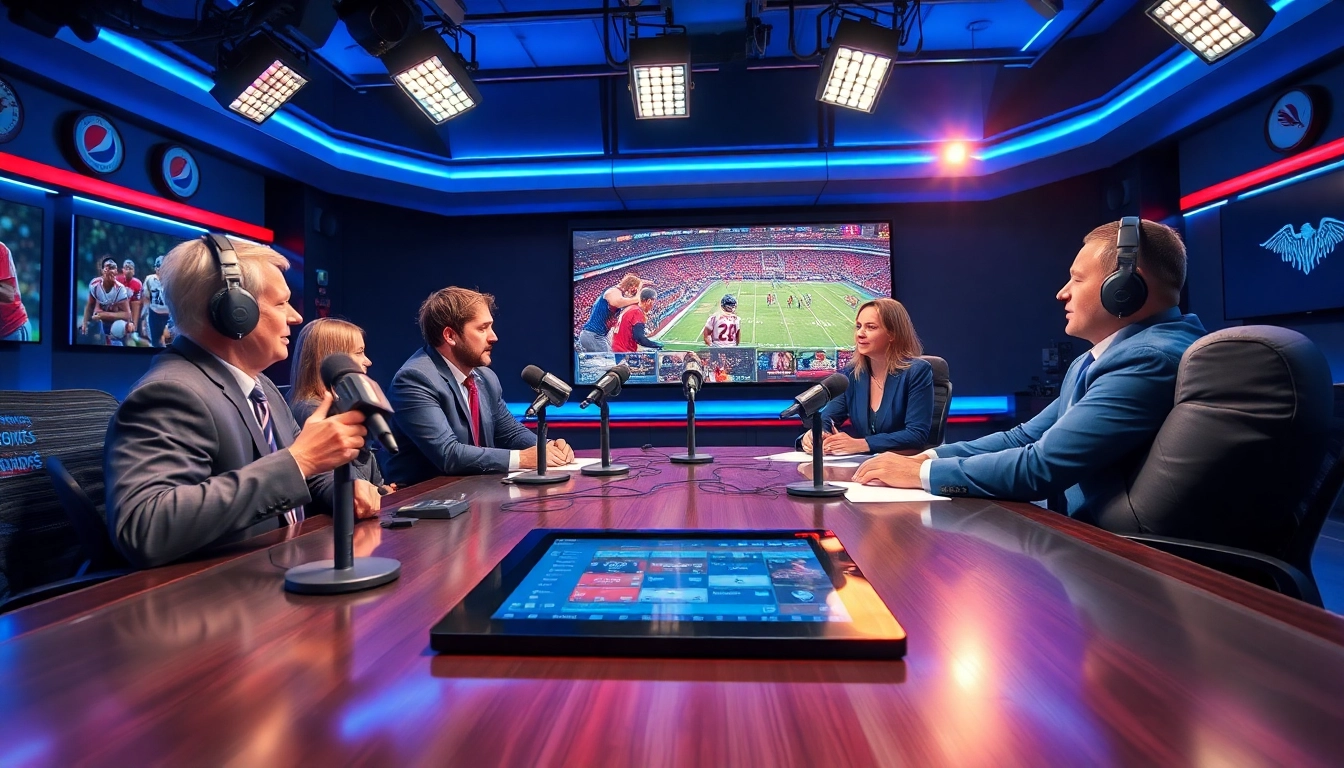
Sports broadcasting has evolved into a critical component of modern sports entertainment, providing fans all around the world with access to live events, expert commentary, and in-depth analysis. Understanding the intricacies of this dynamic field not only requires technical knowledge but also a passion for storytelling. In this comprehensive guide, we will delve into the essentials of Sports Broadcasting, exploring the fundamental concepts, necessary skills, emerging trends, and measures of success within this exciting industry. For those looking to deepen their understanding, we invite you to explore Sports Broadcasting for further insights.
Understanding the Basics of Sports Broadcasting
Defining Sports Broadcasting
At its core, sports broadcasting involves disseminating live or recorded sports events and related content to the audience via various media platforms. This includes traditional television and radio, as well as digital platforms like streaming services and social media. The primary goal of sports broadcasting is to bring the excitement of sporting events to fans, offering them an engaging witness to live competitions, performances, and updates.
Key Roles in Sports Broadcasting
The landscape of sports broadcasting is populated by various professionals, each filling a unique role essential to the production and delivery of content. Key roles include:
- Sportscasters: These are the voices that narrate the play-by-play and provide commentary during live events. Their ability to convey excitement and inform viewers is vital.
- Producers and Director: They oversee the entire broadcasting process, making crucial decisions about camera angles, timing, and overall presentation.
- Camera Operators: They capture the live action, employing technical skills to follow the thrilling movements on the field or court.
- Analysts: Often former players or coaches, they provide expert insights during broadcasts, helping the audience understand the nuances of the game.
- Writers: Behind every great broadcast is a team of writers who craft scripts, trivia, and other engaging content.
Common Technologies Used
Sports broadcasting has been dramatically transformed by technological advancements. Common technologies that enhance broadcasts include:
- HD and 4K Cameras: Offer crystal-clear visuals, providing the audience with an immersive experience.
- Graphics Software: Helps create dynamic overlays for scores, player statistics, and game analytics.
- Live Streaming Platforms: Enable fans to watch events in real time from various locations on any device.
- Drone Cameras: Provide unique aerial views of events, often used in large outdoor venues.
- Social Media Integration: Engages viewers with real-time highlights, behind-the-scenes content, and interactive features.
Essential Skills for Sports Broadcasters
Communication Skills in Sports Broadcasting
Effective communication is paramount in sports broadcasting. Broadcasters must convey information clearly and engagingly to captivate their audience. This includes mastering the art of storytelling, using a dynamic vocal range, and possessing a keen sense of timing. Moreover, clear articulation and concise language are crucial, especially when dealing with rapid game play where every second counts.
Technical Skills for Live Reporting
Encountering unexpected challenges during live events is common; thus, technical proficiency is crucial. Broadcasters must be adept at using broadcasting equipment, including microphones, cameras, and editing software. Additionally, understanding how to engage with live audience feedback through social media enhances the level of interactivity during broadcasts.
Understanding Audience Engagement
Knowing the audience is essential in tailoring content to their preferences. Broadcast professionals must analyze viewer demographics and engage with fans through interactive segments, polls, and Q&A sessions. Building a dedicated fanbase centered around exciting content ensures continued enthusiasm for the sport being covered.
The Importance of Real-Time Analysis
Live Coverage Techniques
Real-time analysis during sports events is a significant feature of modern broadcasting. Techniques include employing sophisticated graphics that highlight key statistics, player performance, and game strategies on the fly. Broadcasters can use instant replay features to revisit pivotal moments and maintain viewer engagement.
Using Data to Enhance Sports Broadcasting
Integrating data analytics into broadcasts becomes increasingly common as teams and networks access vast amounts of information. By utilizing statistics regarding player performance, team strengths, and game trends, broadcasters can provide deeper context to the action unfolding on screen, enriching the viewer's experience.
Ethics in Sports Reporting
Ethics play a crucial role in sports broadcasting, including providing accurate information, respecting player privacy, and fostering fair representation. Journalists and broadcasters must adhere to ethical codes, understanding the impact their narratives can have on public perception and athletes’ reputations.
Emerging Trends in Sports Broadcasting
Impact of Streaming Technologies
The rise of streaming technologies has transformed how fans consume sports content. Viewers increasingly prefer on-demand access over traditional cable subscriptions, driving networks to develop robust streaming applications. This shift enables broadcasters to reach wider audiences and cater to global fan bases.
Virtual Reality and Sports Broadcasting
Virtual reality technology offers the possibility of immersive viewing experiences, allowing fans to feel as if they are part of the live action. Utilizing VR applications to simulate game environments provides unique engagement opportunities and can revolutionize fan interaction.
Sustainability in Broadcasting Practices
As the world becomes more environmentally conscious, the sports broadcasting industry is embracing sustainable practices. This includes reducing on-site energy consumption, utilizing renewable energy sources, and minimizing waste created during live events.
Measuring Success in Sports Broadcasting
Analyzing Audience Metrics
Determining the success of a sports broadcast hinges on understanding audience metrics. Broadcasters analyze viewership data, social media engagement, and viewer retention rates to measure how well their content resonates with audiences. These metrics provide valuable insights into improving future broadcasts.
Feedback Mechanisms for Improvement
Establishing feedback mechanisms allows broadcasters to refine their approach continually. This can involve social media polls, direct viewer surveys, and engaging with fan comments to understand their preferences. Learning from feedback guides future programming decisions and enhances viewer satisfaction.
Future of Sports Broadcasting
The future of sports broadcasting promises to be dynamic and innovative. As technology evolves, the industry is likely to see advancements like more interactive broadcasts, integration of artificial intelligence for data analysis, and the utilization of augmented reality to enrich viewer experiences. Staying ahead of these trends is essential for broadcasters to maintain relevance and appeal in a competitive landscape.
Frequently Asked Questions
What are the primary roles in sports broadcasting?
Key roles include sportscasters, producers, camera operators, analysts, and writers, each contributing uniquely to the broadcast process.
How do broadcasters engage with their audience?
Engagement is facilitated through social media interactions, live polls, Q&A sessions, and viewer-driven content themes, enhancing the overall experience.
What technologies are commonly used in sports broadcasting?
Common technologies include HD cameras, graphics software, live streaming services, drones for aerial views, and social media systems for fan interactions.
How important is real-time analysis in sports broadcasting?
Real-time analysis enriches the viewer's experience by providing instant insights, highlighting strategies and statistics effectively during live events.
What does the future hold for sports broadcasting?
The future will likely feature more interactive elements, advanced data analytics, artificial intelligence integration, and sustainable practices within the industry.